
Protecting Baby Birds: The Crucial Role of Insects and the Dangers of Chemical Landscaping
Every spring, songbirds bring new life into our gardens and green spaces. Their delicate chicks depend on a steady supply of food to grow strong and healthy. What many people do not realize is that these baby birds rely almost entirely on insects for their nutrition. When we use chemical insecticides in landscaping, we risk harming the very insects that feed these young birds. This blog post explores why minimizing chemical use in landscaping is essential to protect baby birds and preserve the natural balance of our environment.
Why Baby Birds Need
Insects to Survive

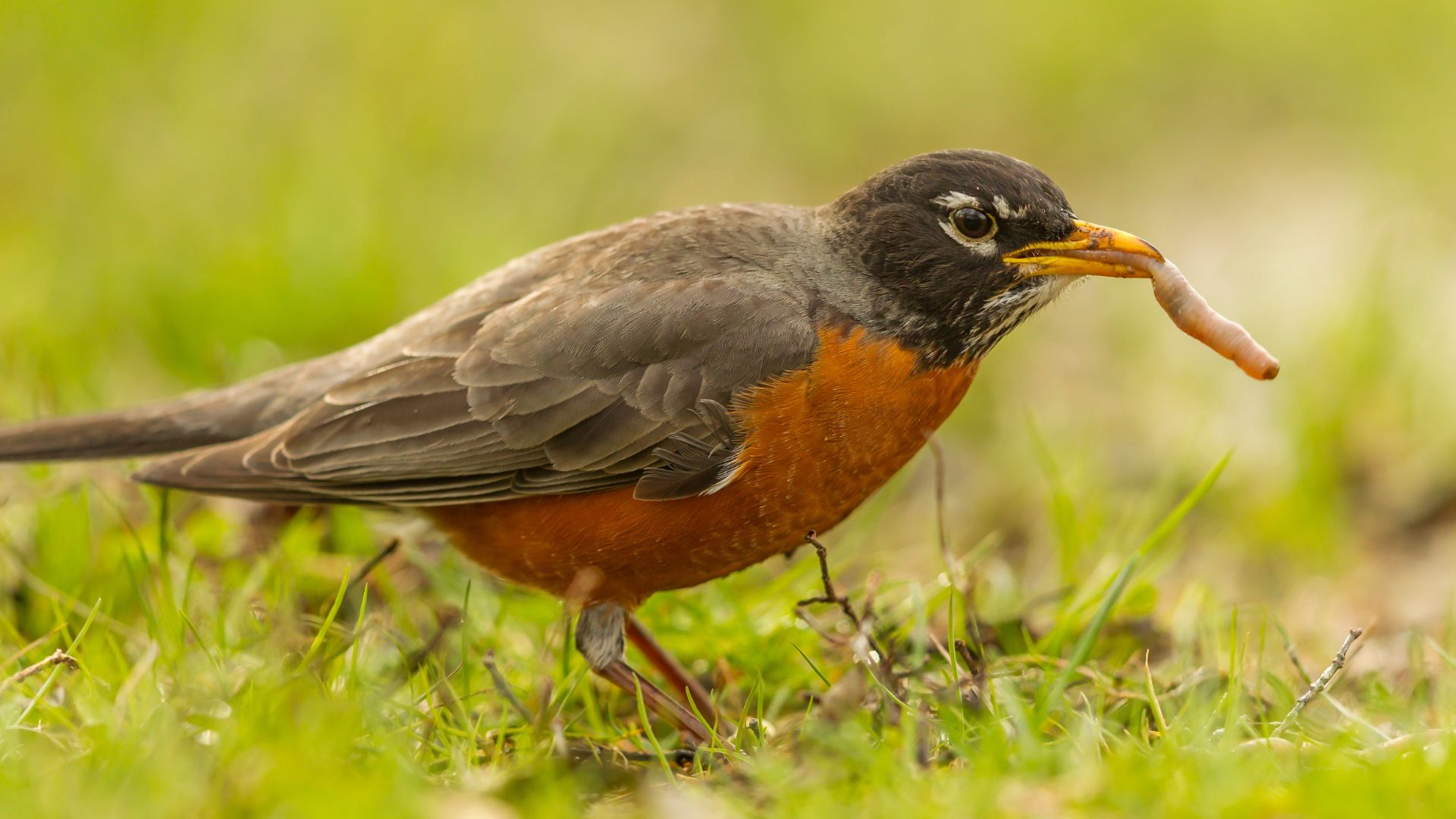
Unlike adult birds, baby songbirds cannot digest seeds or fruits. Their digestive systems are specially adapted to process soft, protein-rich insects. Insects provide essential nutrients such as amino acids, fats, and vitamins that young birds need for rapid growth and development.
Protein source: Insects are rich in protein, which supports muscle and feather growth.
Easy to digest: Soft-bodied insects like caterpillars and larvae are gentle on the fragile digestive systems of chicks.
Abundant and accessible: Insects are plentiful during the breeding season, making them the perfect food source.
For example, studies show that a single chick may consume thousands of caterpillars during its first two weeks of life. Without enough insects, chicks can suffer from malnutrition, stunted growth, or even death.
The Hidden Danger of Insecticides in Landscaping
Many homeowners and landscapers use chemical insecticides to control pests and maintain tidy gardens. While these chemicals may reduce visible pests, they also kill beneficial insects that baby birds depend on. The consequences go beyond just insect loss:
Poisoned insects: Insects that survive exposure to insecticides can carry toxic residues.
Secondary poisoning: When parent birds feed these poisoned insects to their chicks, the toxins accumulate in the young birds.
Bird mortality: Studies have linked insecticide use to increased death rates in baby birds due to poisoning and weakened immune systems.
For instance, neonicotinoids, a common class of insecticides, have been shown to reduce insect populations drastically and harm birds indirectly. The decline in insect abundance caused by these chemicals disrupts the food chain and threatens bird populations.
Natural Pest Control Methods That Protect Wildlife
To support baby birds and maintain healthy ecosystems, it is vital to reduce or eliminate chemical insecticides in landscaping. Here are some effective natural pest control strategies:
Encourage beneficial insects: Ladybugs, lacewings, and predatory wasps prey on harmful pests and help keep insect populations balanced.
Plant native species: Native plants attract local insects that birds rely on, creating a natural food source.
Use physical barriers: Row covers, nets, or sticky traps can protect plants without chemicals.
Practice crop rotation and companion planting: These methods reduce pest buildup and improve plant health.
Hand-pick pests: Removing pests by hand can be effective for small gardens.
By adopting these methods, gardeners create a safer environment for insects and birds alike. This approach not only protects wildlife but also promotes biodiversity and soil health.
The Bigger Picture: Why Protecting Baby Birds Matters
Baby birds are indicators of a healthy environment. Their survival depends on a complex web of life, with insects playing a central role. When we harm insects through chemical use, we disrupt this web and risk long-term ecological damage.
Birds control pests: Adult birds consume large numbers of insects, helping reduce pest outbreaks naturally.
Pollination and seed dispersal: Many birds contribute to plant reproduction, supporting diverse habitats.
Ecosystem balance: Healthy bird populations maintain the balance between species and prevent overpopulation of certain insects.
Protecting baby birds by minimizing chemical use in landscaping benefits not only wildlife but also gardeners and communities. It leads to more resilient gardens, fewer pest problems, and a richer natural world.


Comments